WHAT CAN I DO WITH A LONG-TERM CONTENT STRATEGY?
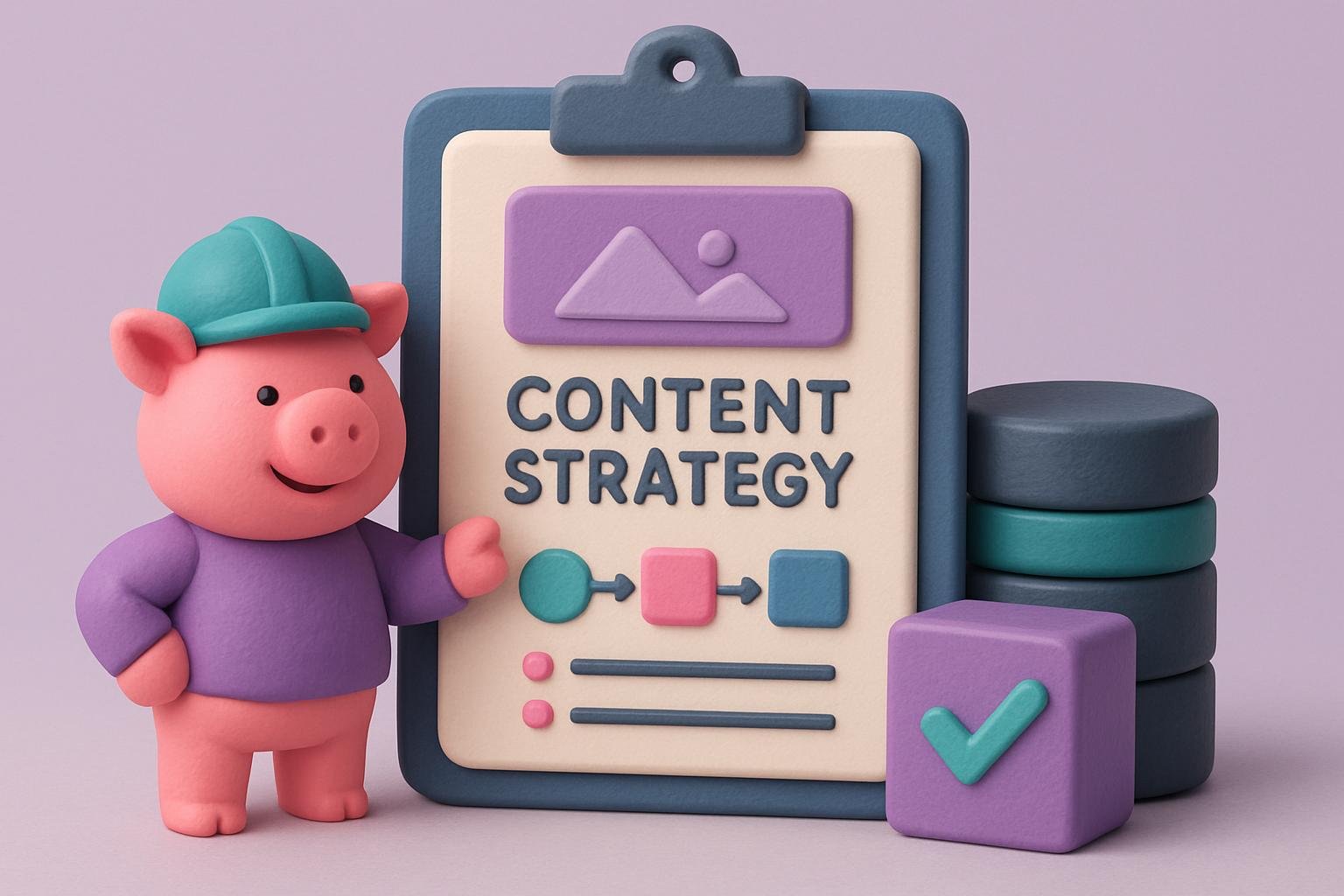
A content strategy provides a roadmap for your content. It ensures that the content supports every aspect of the business and is connected to overall business goals.
While 86% of brands have someone responsible for their content strategy, why not take advantage of the benefits they get?
SET GOALS
In an ideal world, every piece of content should be tied to a goal.
The goals you tie to your content should be S.M.A.R.T — specific, measurable, achievable, relevant, and timely.
For example, suppose your main goal is to increase online bookings by 100 per quarter. Look at your website data, see how many website visits it takes to achieve 100 bookings, and use that to break down your goal.
Your SMART goal might look like this: “Increase website visits from 1200 to 1500 per month”
AUDIT AND ASSESSMENT
Auditing your situation gives you an idea of what you have now and what you might need in the future. For content marketing, there are two main audits you should consider. These are a content audit and an event-based audit.
A content audit helps identify all the assets used in the content you already have to engage and attract your audience. An event-based audit identifies upcoming projects, priorities, or events that call for content to be created in some form.
You might consider using a spreadsheet to list all your team responsibilities. This will let you see what the long-term priorities are for publishing content. When you break down the events, add blog topics for each event to refer to.
It can also be useful to note the inbound marketing campaign for events, to tie everything together.
KNOW YOUR BUYER PERSONA AND JOURNEY
Your buyer persona is mainly based on real data from your business. There will also be some informed assumptions about demographics, behavior, motivations, and goals. This will help you understand information about who your buyers are. Generally speaking, 3-5 personas are recommended for an effective content strategy.
This ties into your buyer’s journey, which is the process someone goes through leading to a purchase.
There are 3 key steps in this journey:
- awareness,
- consideration,
- decision.
Think of the steps as a smooth flow; they should transition smoothly from one to the next, especially from the buyer’s perspective. When you combine the buyer’s journey and persona, you can understand both the goals and the problems the buyer faces.
This gives you a runway to tailor content to support their knowledge from the beginning to the end of their journey.
WHERE DO WE GO FROM HERE?
By now, you’ve either realized that your content strategy needs some work, or you’re feeling smug—as you might after realizing your strategy covers everything above and all you needed to do was organize it. Welcome to Why Content Strategy Matters
We’ve figured out why a content strategy matters in the long run and how this strategy benefits the business, not just you as a marketer. If your strategy still needs some work, every day is a school day, and you should get it right the first time. Though with your newly acquired knowledge, you won’t be feeling out of the content loop for long.