What dangers could your smartphone data face?
If your smartphone data isn't properly protected, a number of dangers could arise. For example, your personal information could be obtained and used to commit identity theft. There are many spyware apps for iPhone that solve data problems.
In addition, your online accounts could be compromised if cybercriminals gain access to your login credentials. In some cases, cybercriminals might even use your smartphone to gain access to other devices on your home network, such as your computer or tablet. If this happens, they could infect those devices with malware or ransomware.
How to protect your smartphone data?
There are several different things you can do to protect the data on your smartphone.
First, you should make sure all the software on your device is up to date. This includes your operating system as well as any apps you've installed. Cybercriminals often exploit vulnerabilities in outdated software to gain access to devices.
You should also use a secure screen lock password or PIN on your smartphone. This will make it harder to access your device if it's lost or stolen.
In addition, you should enable two-factor authentication for any online accounts you access from your smartphone. This will add an extra layer of security in case your login credentials are compromised.
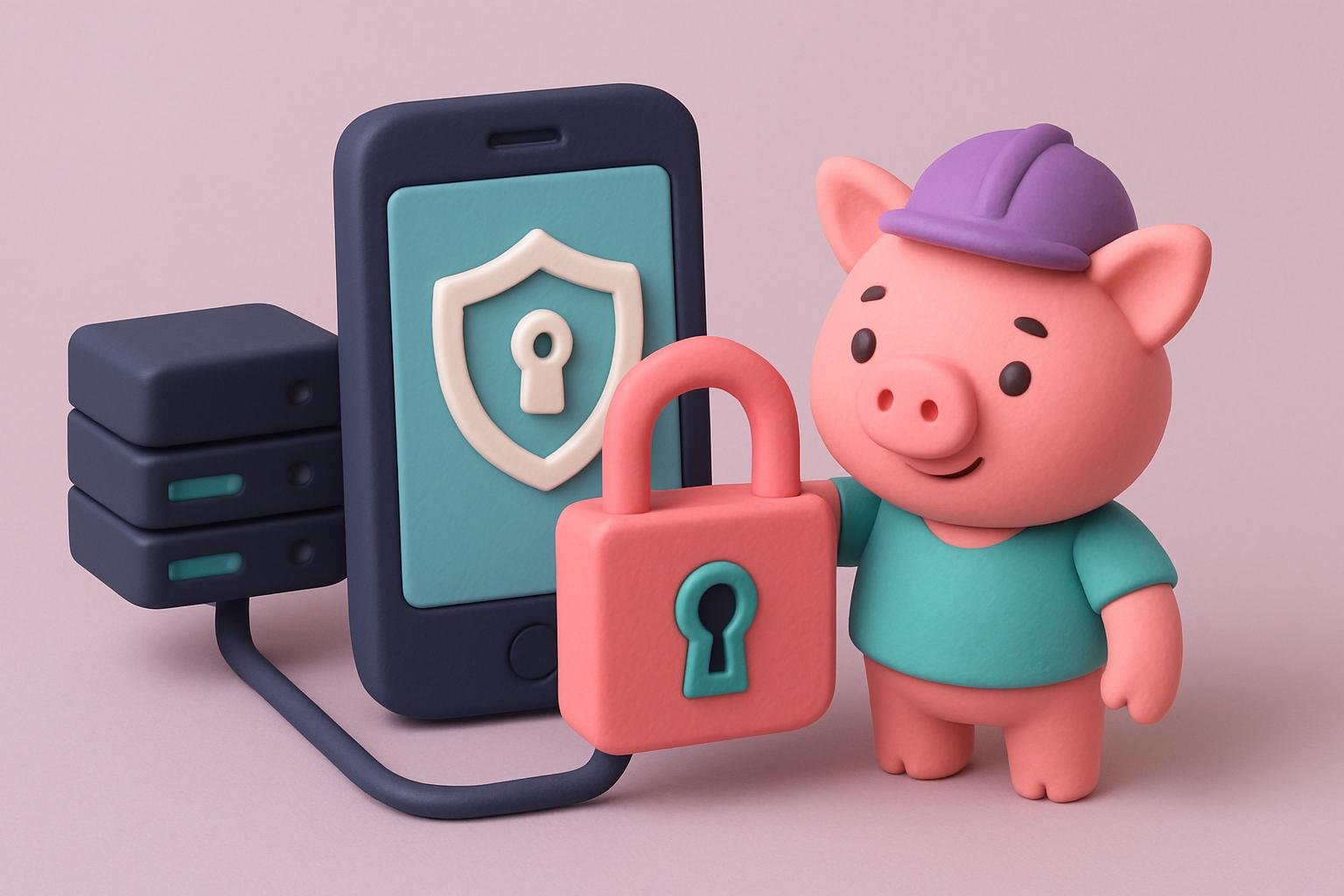
You should also consider installing a mobile security app on your device. These apps can help protect your data by scanning it for malware and blocking malicious websites. When it comes to storing sensitive data on your smartphone, you should encrypt any files or folders containing personal information. This will make it harder for anyone to access your data if they gain unauthorized access to your device.
You can also use secure cloud storage to keep backups of important files.
How to protect your personal data from leaks?
Most people now rely on their smartphones for everything from checking the news and weather to managing their finances and keeping in touch with friends and family. Since these devices store so much personal information, it's important to take steps to protect your data from cybercriminals. Hacking has become more sophisticated, and cybercriminals are constantly finding new ways to access people's personal data. As we store more and more information about our lives on our smartphones, it's important to take steps to protect the information we have.
If you use the same password for everything, a hacker only needs to figure out that one password to access all your accounts.
Use strong passwords for each of your accounts and change them regularly. Most software updates include security fixes that help address vulnerabilities in your system. Keeping your software up to date will make it harder for hackers to exploit any vulnerabilities.
Be careful about which links you click and which attachments you download, even if they seem to come from a trusted source. Cybercriminals can use phishing schemes to trick you into clicking malicious links or downloading malware. Public Wi-Fi networks are convenient, but they're also a prime target for hackers. If you need to use public Wi-Fi, avoid entering sensitive information or accessing any financial accounts.
If you're selling or giving away your old smartphone, erase all your personal data from it first. A factory reset may not be enough to remove all your data, so it's better to use a dedicated security tool.
One way to keep your data safe is to use a strong password or passcode for your device and never share it with anyone. When creating passwords or PINs for your devices, avoid using numbers that are easy to guess, such as “1234” or “0000”. Instead, choose a random combination of letters, numbers, and symbols that would be difficult for someone else to guess.
You should also be careful about the apps you install on your phone, as some of them may contain malware that could steal your personal information. Only download apps from trusted sources, such as the App Store or Google Play, and be sure to read reviews before installing anything.
Finally, keep in mind that your smartphone probably contains a lot of sensitive information, so it's important to back up your data regularly. That way, if you ever lose your device, you won't have to worry about losing all your photos, contacts, and other important files.
By following these tips, you'll help keep your smartphone data safe and sound. So don't wait—start protecting yourself today!
Epilogue
We live in a digital age where our personal information is constantly at risk of being hacked or stolen. While there are many steps you can take to protect your data online, it's also important to be aware of the potential risks of using your smartphone. By following the tips above, you can protect your smartphone data from hackers and other cybercriminals.