Using Strong Passwords
Hackers have many ways to find out a password, and one of them is password-cracking software. This type of software can sometimes quickly test and identify simple passwords consisting of a single word or a common number combination.
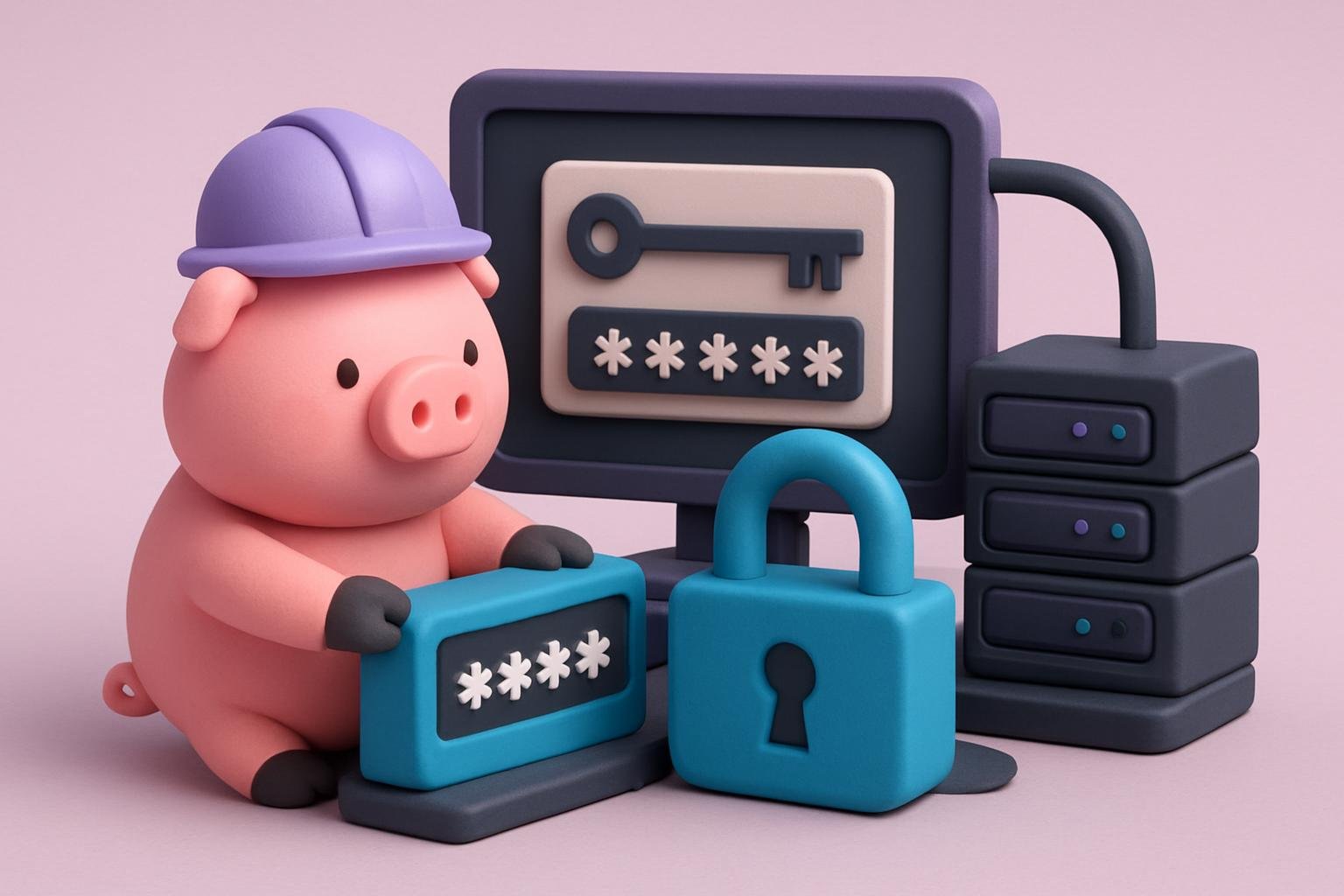
To prevent this kind of easy access to your accounts, consider creating strong passwords that combine lowercase and uppercase letters, numbers, and special characters. The longer and more complex the password, the better. If you have already been affected by a data breach, be sure to change all your passwords as soon as possible to prevent further breaches.
Different Passwords for Different Sites
Creating just one strong password is not enough. It is important to use different passwords for each account to prevent a chain reaction.
If, for example, a hacker manages to crack your email password, they could gain access to all your other accounts protected by that same password.
Using different passwords for each account dramatically reduces the chance of a chain reaction.
Multi-Factor Authentication
Many websites now offer multi-factor authentication (MFA), which provides an extra layer of security. To access an account, a user must enter a username and password, as well as a special one-time code sent to a specified phone number or email address.
Although this procedure takes a couple of extra seconds, it is an excellent way to improve security without spending a penny.
Protection Against Identity Theft
One in three data breaches is followed by identity theft. This means a criminal could use your personal information to wreak havoc, spend money using your credit card, or access business information that only selected staff members are allowed to see.
If you know you have been affected by a data breach, contact the credit card companies you work with to set up security alerts and freeze your accounts. Then contact your local bank branch to find out what to do next.
Alerts for Suspicious Activity
Set up alerts on your accounts in case a suspicious purchase is made or a large amount of money is spent. Another great option is to set up location alerts, which let you see where a transaction was made.
Some services use geolocation tracking, so if a login or purchase is made from a remote location, you will receive a warning and be able to act quickly to prevent further damage.
Reviewing Financial Statements
Do not rely only on immediate alerts. Remember to check your reports and card statements regularly, too. You should look not only for large transfers but also for small transactions. Criminals sometimes rely on making small purchases over a long period to avoid getting caught stealing money.
In addition, almost all banks let you order a free credit report. It is useful to monitor it for any sudden changes that could indicate a data breach.
You can also sign up for a credit monitoring service, which usually comes at a cost.
Using Tools to Identify Potential Criminals
If you receive a suspicious email asking for your personal information, you should check who sent it.
Identifying potential scammers has become easier with services such as Nuwber. It is a paid service that can identify a person based on personal information such as an email address, phone number, address, and so on.
If you have been affected by a data breach and suspect that a particular email or similar source was responsible, this may also help catch the criminal.
Physically Protecting Your Devices
Hackers do not operate only online and through software. It is also important to protect your electronic devices from physical intrusion. For example, do not leave your laptop or mobile phone unattended in a library, café, or open-plan workplace.
If you do need to leave your device unattended for a couple of minutes, remember to set a password beforehand so nobody can use it in the meantime.
Conclusion
Data breaches can cause serious damage to your finances and overall security. They can lead to identity theft, extortion, fraud, and other malicious scenarios that can affect not only you, but also your business and family.
It is important to take the necessary precautions, such as setting several strong passwords for different accounts, implementing multi-factor authentication, and enabling alerts in case of suspicious account activity.
By using these security practices, you can guard against the dangers of data breaches and use the online resources at your disposal more safely.