Similarities and differences
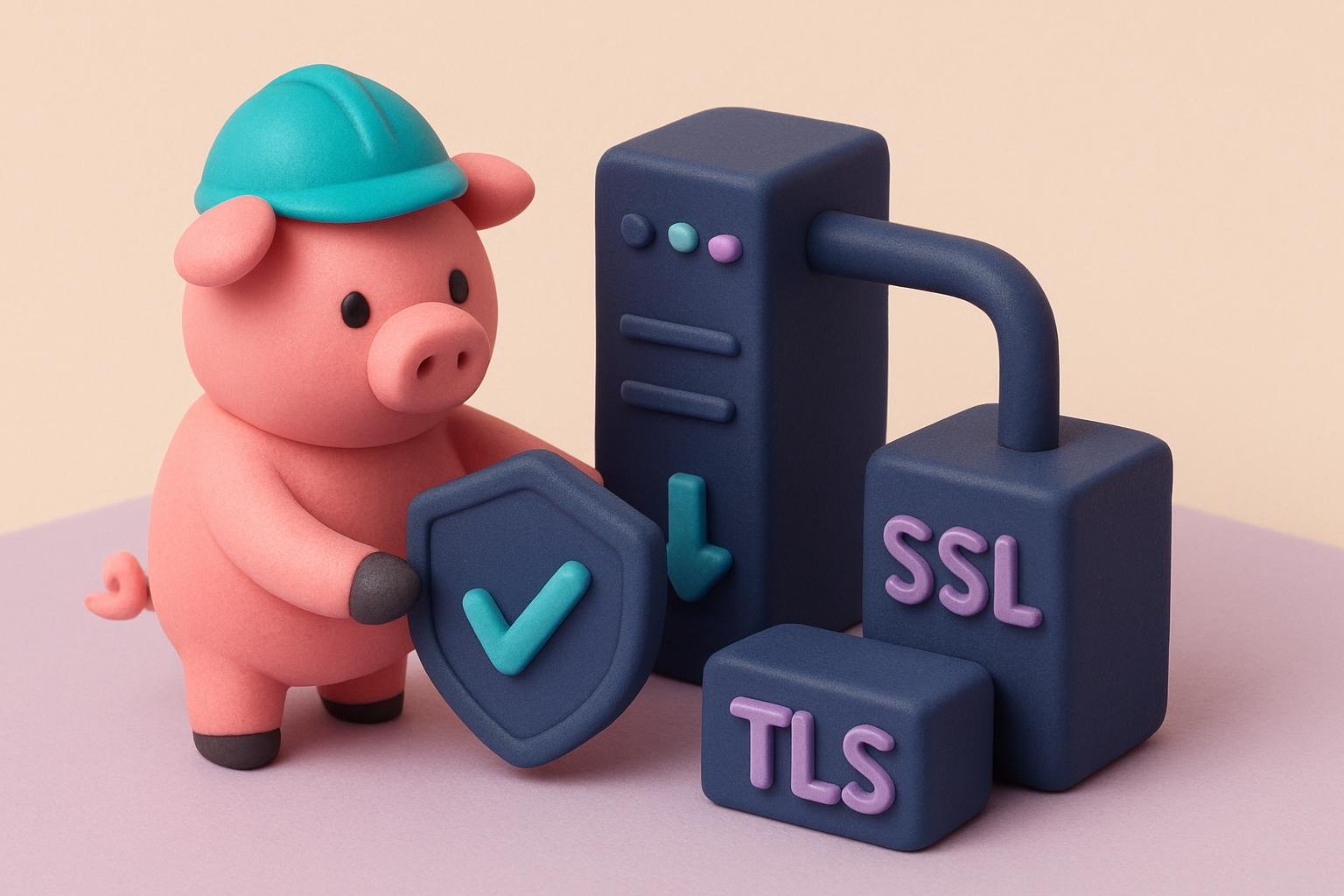
There is some confusion about the difference between SSL and TLS. It is important to note that the latter appeared later and is, in fact, the successor to SSL. The Internet Engineering Task Force (IETF), an open standards organization, abandoned SSL, banning standard 2.0 in 2011 and the newer 3.0 in 2015. In other words, TLS is now the dominant and widely recognized protocol for securing network communications.
SSL and TLS are fundamentally similar. When browsing the web securely, both protocols use certificates to authenticate and encrypt connections between browsers and servers. They are used on websites that collect confidential user information, such as contact details and payment information. Cryptographic protocols have become standard for e-commerce websites or online stores, as well as email applications, among other things.
SSL weaknesses
The SSL protocol has a number of vulnerabilities discovered by researchers. For example, in 2014, SSL 3.0 was found vulnerable to POODLE attacks, in which attackers intercept and decrypt signals between a browser and a server. After that, the IETF abandoned SSL technology.
Maximum security with the TSL protocol
This protocol succeeded SSL. The latest version of the TLS standard differs significantly from SSL. These differences include, among other things, a separate key agreement and authentication algorithms, removal of support for weak and outdated cryptographic protocols, the use of advanced security methods, and a ban on backward compatibility, including SSL and RCD negotiation.
Terminology details
Remember that the Secure Sockets Layer method is considered outdated, while TSL is now considered the best protocol for securing network connections. However, the abbreviation SSL is still used by researchers, certificate providers, security companies, and the public. But SSL is often used in advertising as a synonym for TLS. Some also use the term SSL/TLS to refer to TLS.