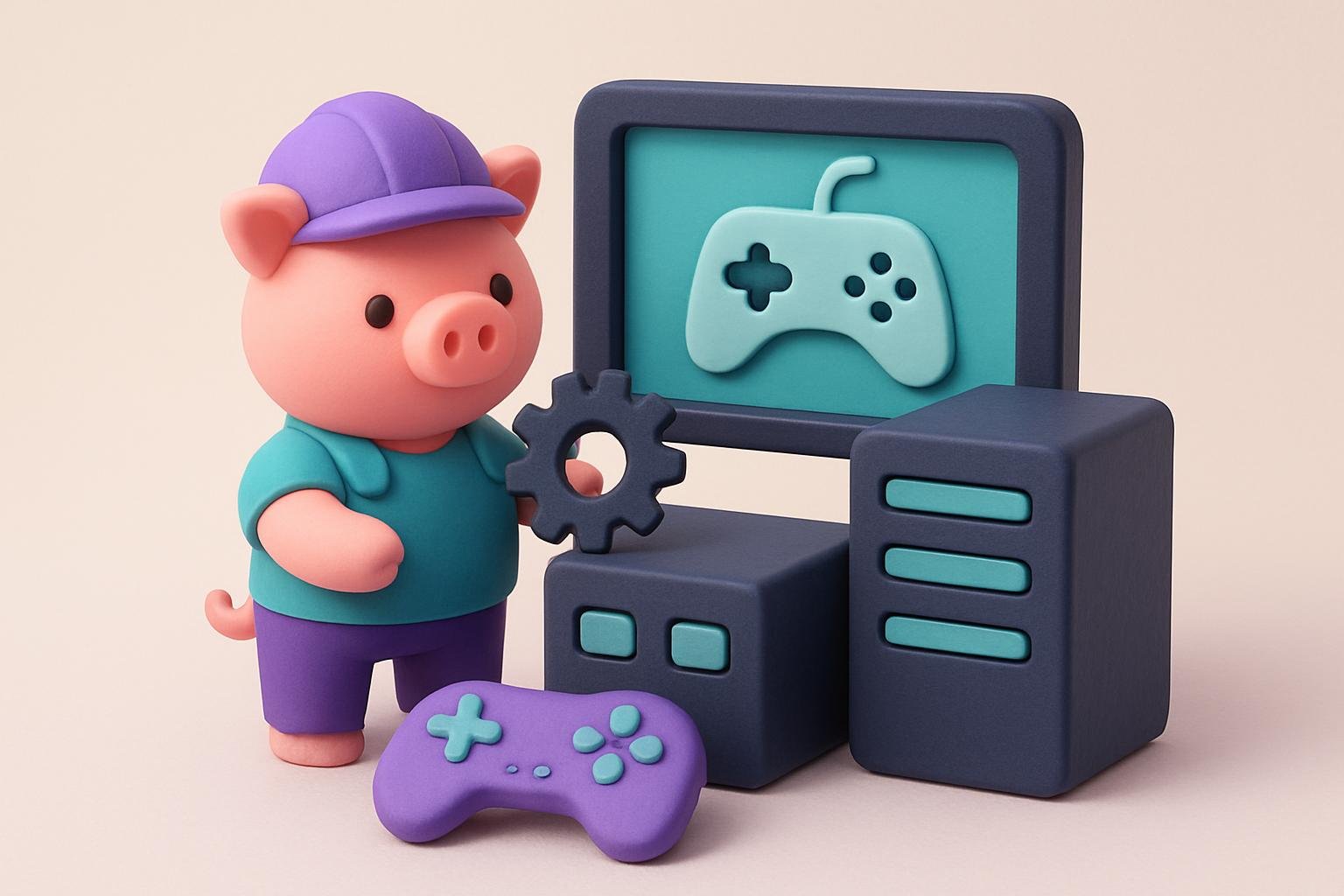
The gaming industry holds a special place in the growing digital ecosystem. As a result, the total number of games released to date has exceeded 1 181 million and continues to grow.
But a surge in demand always leads to strong employment prospects for specialists. And game developers are no exception. These professionals are in demand, with excellent game developer salaries and promising career prospects to match. That’s why game development is an attractive career choice for aspiring programmers.
But how do you get into game development? And is the average game developer salary worth the journey? Let’s find out.
Who is a game developer?
Simply put, a game programmer is a programmer who works on creating games. The role covers a wide range of programming tasks, from implementing game balance to writing code specific to controls. What’s more, game programmers come in different varieties depending on the platform they work on. Whether it’s a console, PC, or mobile device, game developers have all the skills needed to deploy a game in a particular environment. But despite the broad range of skills a game developer needs to acquire, this is one of the highest-paid roles in software development.
Glassdoor data shows that the average game developer salary is 71 295 dollars a year for US employees. In other parts of the world, the numbers are lower, but still decent. So, a game developer in the UK earns between 53 and 64 thousand dollars. Meanwhile, compensation in Europe is higher, averaging 99 950 a year.
What skills does a game developer need?
Although many people think game development is all about programming, there are a number of other skills that matter, too. In fact, most games require teams of developers with different talents.
That said, here are some of the core skills any aspiring game developer needs to get started. Programming languages Whether or not you have a technical background, programming languages are the foundation of game development. Solid programming skills are essential for writing scripts, game mechanics, and much more. There are plenty of programming languages to choose from when developing video games.
Making the right choice can be tricky, but there are a few standout options considered industry standards in this field. C#, C++, Java, and Python are among the traditional choices for game development. Lua and Rust have also made their mark on the market, inheriting the best of C+ and C++.
Your final choice should depend on the learning curve you’re willing to tame, as well as your future game development niche. So, if you’re developing mobile games, you should also learn additional programming syntax, such as Swift.
Game engines
A game engine is a software environment that provides the core features needed to develop video games. You can do without one, but you’ll have to reinvent the wheel every time you need to make a new game.
So, what makes game engines a must-have?
In practice, they’re useful for rendering graphics, detecting collisions, handling sound and physics effects, and much more. Although there’s a wide variety of game engines, the most sought-after on the market are Unity, Unreal Engine, CryEngine, and Godot. Each has its own quirks, but there’s one thing all four have in common.
Accessible to individual developers, they all let you create AAA-quality projects. Qualifications and training Statistics show that most game engineers have an academic background in computer science or a related field. But while that can give your career a boost, a bachelor’s degree isn’t a requirement for getting into game development.
Most job openings are open to high school graduates or people without a technical education, provided they have hands-on experience creating projects. What’s more, there are plenty of both free and paid courses to help you go from zero to game-creation hero. A thorough understanding of gaming trends Alongside specialist skills, you should also keep up with shifting patterns and trends in the gaming world.
The forces shaping the current market should be reflected in your skills, keeping you relevant in the job market. By analyzing the look and feel of popular games, you can improve your storytelling skills and gain a more complete understanding of profitable game mechanics, and so on.
Conclusion
Becoming a game developer is a lucrative but thorny path. So what does it take to earn six figures? A winning combination of popular programming languages, in-depth knowledge of game engines and gaming trends, and analytical skills will make you a sought-after game coder.
Scripting and design skills, as well as an understanding of different hardware platforms, will also be valuable additions to your portfolio.