Miro for Google Calendar also launched earlier this year, allowing users to attach Miro boards directly to Google Calendar invitations.
How does it work?
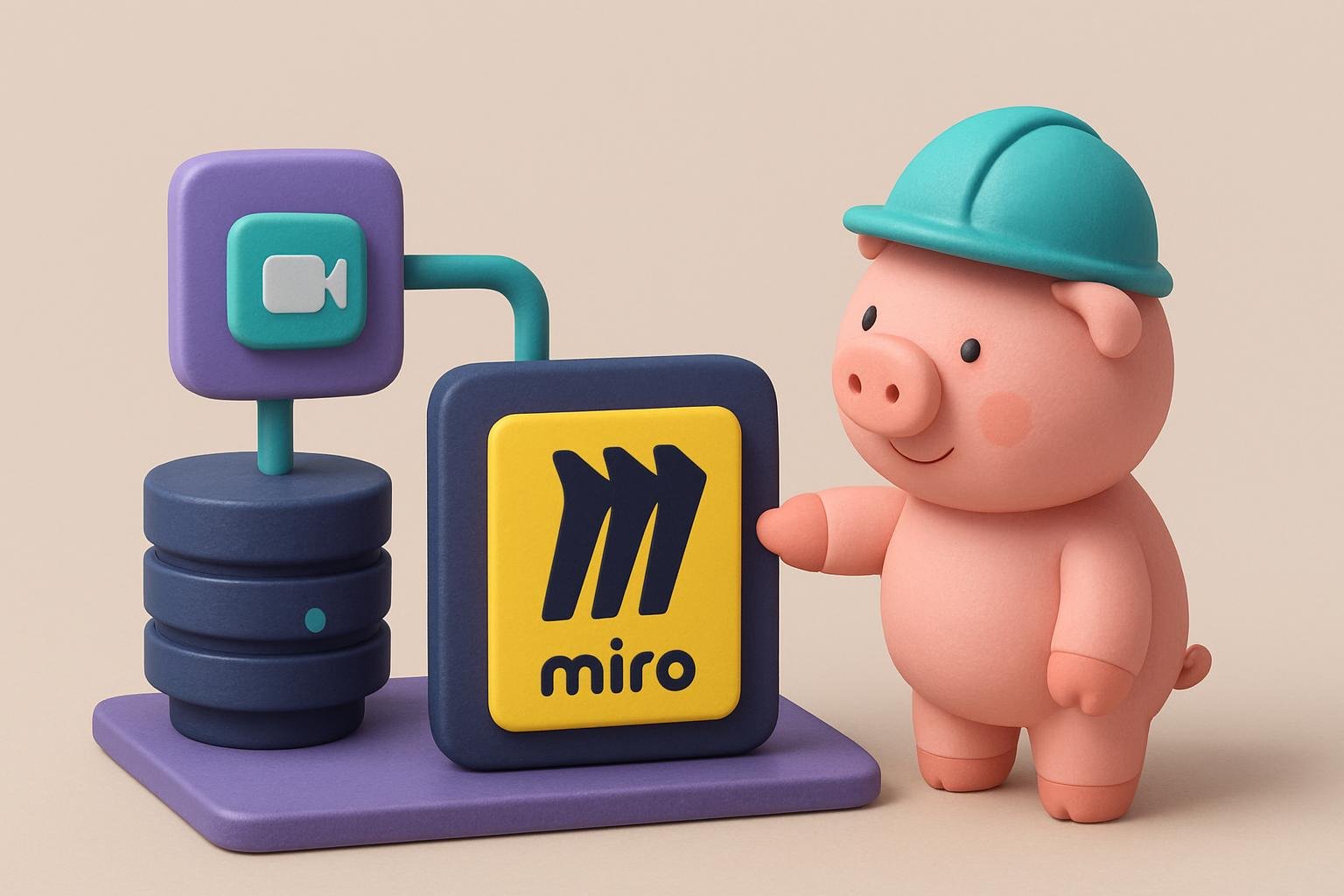
When a team gets together via Google Meet, this new integration will let participants launch Miro from the action panel and instantly access the Miro platform without needing to register or sign in, allowing both internal and external parties to view and interact with the same board content.
Miro Chief Product Officer Varun Parmar wants to eliminate the extra steps usually required to access third-party apps, such as manually sharing a link and having to switch between windows to gain access.
“All those challenges that have traditionally existed when apps work alongside video conferencing—we’re streamlining that entire end-to-end process with this Google Meet integration,” he said.
Building a best-in-class stack
Miro and Google Workspace’s customer bases have grown as a result of the pandemic. Now, according to Parmar, regardless of which work model organizations have chosen, workplaces need to make sure they are deploying the right tools to enable employees to collaborate and get work done.
“For companies that decide to use all-in-one solutions, they find that these work until their employees discover there are better solutions available on another platform,” he said.
As a result, integration between different vendors is becoming increasingly important.
Dave Citron, Director of Product Management at Google Meet, says partnerships and integrations are “at the heart of Google Workspace’s DNA,” and Workspace Marketplace now offers more than 5000 third-party apps.
“By bringing partners like Miro into Google Workspace, we can reduce context switching between apps and help people become more productive and productive,” he said.