The thing is, they provide a transparent software development process where every team member understands their roles and responsibilities. This ensures clear communication between the team and stakeholders. As a result, the risk of misunderstandings, rework, and missed deadlines is eliminated.
So, the six main stages of the software development lifecycle are planning, requirements gathering, application design, development and testing, deployment, and maintenance.
Stages of the software development lifecycle (SDLC)
Let's take a detailed look at each stage.
1. Planning
The software product development lifecycle should start with proper planning. Although some business owners think they can rely on their promising idea combined with the experience of software engineers to create an outstanding product, that's not really the case. There are several reasons why you should pay close attention to planning as the first stage of the software product development lifecycle.
It gives you a clear vision of your goal. When planning product development, you research the niche you want to fill, your target audience, competitors, monetization options, and so on. You should also decide on the budget you're willing to spend on developing and maintaining the product. By doing all this, you define your business needs, which your development team will then use to bring your project to life.
It increases your chances of creating a successful product. You may come up with a brilliant app that you think should make a breakthrough in the market. But the truth is, there are lots of apps, and an idea alone isn't enough to create a new market leader. You should validate your idea even before you start looking for a software development partner. Only when you have enough evidence that your idea can compete can you move on to the next stage of the software development lifecycle.
It saves you time. If you don't do a ton of research, you won't know what product to build, and that will complicate the software development process. You won't be able to clearly explain to your developers what you want the end result of development to be, which will lead to misunderstandings and rework. As a result, you'll spend more time on development and increase your time to market.
It saves you money. Time is money, so the more clearly you define your expectations for software development right at the start, the less time you'll spend on it. Since you're paying your development team for the time they spend developing and fixing your product, you can significantly reduce development costs.
When planning your software product, you should organize your thoughts in the form of an app development business plan, a business model canvas, or a project description.
As a rule, planning happens on the stakeholder's side. But even if all you have is an idea, you can still start working with a software vendor. They can, if not write a complete business plan, then at least conduct research in your field and share ideas to help you create a business plan yourself.
2. Requirements gathering
At this stage, you have a more or less clear idea of what kind of app you want to build, and it's time to communicate your idea to your development team. This involves meeting with a business analyst (BA) at the software development company and discussing your expectations in a process called software requirements elicitation. During this process, the BA works on creating an application requirements document, also known as a software requirements specification (SRS).
The SRS contains functional and non-functional requirements. Functional requirements describe which features should be available to the app's end users, while non-functional requirements describe the software product's structure, dependencies, and other technical characteristics. There are also sections describing other important aspects of software development, such as your project goals, user types, and the scope of work to be done.
Another thing you should know about requirements gathering is that it takes place during the discovery phase. The discovery phase happens at the start of a software development project and lets you set the direction for the entire development process. At this stage, you'll also decide on the structure of the software development team. The number of specialists will vary depending on the services you need. Usually, if you outsource web development services, your development company will propose the number of specialists needed to build your software within your allocated budget and timeline.
3. Application design
Before you start building an app, you need to have a blueprint to follow. You should understand how your software will work from a technical perspective and what it will look like. At this stage of the product development lifecycle, your software development team will provide you with the application architecture and user experience design.
Software architecture defines the structure of your software. It includes all the components and describes how they work together.
UI/UX design is created before actual development begins so that software engineers build your software according to the approved design.
4. Development and testing
This is where actual software development (both backend and frontend) begins. Another important part of the process is testing, during which quality assurance engineers check whether the product works as planned. This is one of the most time-consuming SDLC stages, as it requires a lot of work. Development and testing can be carried out in different ways depending on the software development approach: Waterfall or Agile.
Waterfall vs. Agile
Waterfall is a rigid approach to software development. With the Waterfall approach, development follows the original plan, stage by stage, and no changes are made along the way. Testing starts only when all the functionality is ready.
With Waterfall, the client doesn't actively participate in the development process—they communicate their requirements and then usually meet with their development team again when the product is ready. The Waterfall model is a good choice for projects with strict requirements, for example, in healthcare or government.
Agile is the opposite of Waterfall. This model is flexible and allows changes throughout the software development process, making it suitable for projects with changing requirements.
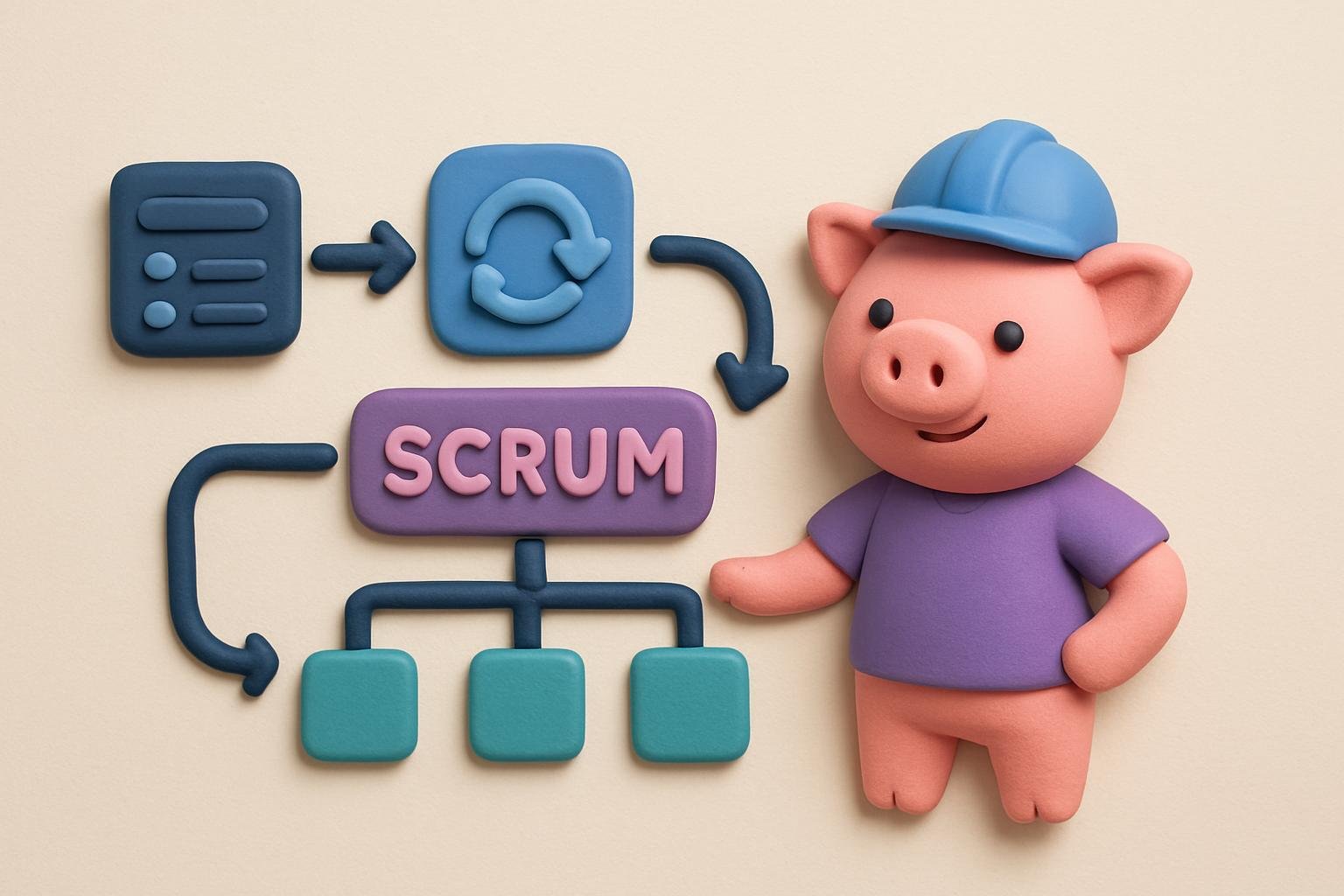
The Agile development process works as follows. First, the development team works on the code that brings your software to life. The software development process is iterative, which means it's divided into small parts, and your software's functionality is developed in small batches.
To ensure effective Agile development, the entire development process is divided into sprints. A sprint is a set period of time during which a specific workload is planned. At the end of each sprint, the development team should have new working functionality. Once a sprint is complete, the development team reviews the results and plans the next sprint, taking any possible improvements into account.
Software development with Agile
Agile is a winning approach for startup owners because it allows them to change project requirements as often as they need. In addition, iterative development makes it easy to test new ideas, adapt quickly to a competitive market, and change feature priorities.
5. Deployment
Deployment can be considered one of the final stages of software development, as it includes all the processes that make the finished product available to users. Deployment results in an app or update that people can download and use. Software deployment consists of three steps:
Preparation. This is when DevOps assembles the code parts for deployment. At this stage, it's important to check which functionality should be deployed in a particular release.
Testing. No part of the functionality can be deployed without proper testing. That's why testing is mandatory before making new features or updates available to real users.
Deployment. This is the process of merging new code parts into the production environment, after which the new functionality becomes available to users.
6. Maintenance
Deployment is one of the final SDLC stages, but development doesn't actually stop when the product launches. First, you should develop a minimum viable product (MVP), and then work on improving it. You can think of maintenance as a new round of the SDLC. After releasing the app, you keep working on it: collecting user feedback, analyzing it, revising the app design, implementing new features, releasing updates, and repeating the cycle.
To sum up
The six main stages of the software development lifecycle are planning, requirements gathering, application design, development and testing, deployment, and maintenance. These stages can happen one after another or overlap, depending on the development approach you use.
The two most common approaches to software development are Waterfall and Agile. Both can be used effectively, but it's important to choose the right approach for your project. While Waterfall is a good choice for projects with strict requirements, Agile is used more often today. It lets you stay flexible during development and quickly adapt to a rapidly changing market.