Preparing content
- Remember that AdSense cannot interpret images without captions, values in the alt attribute of the img tag, and surrounding text. So use as few images as possible, and be sure to include the necessary attributes.
- Ideally, the content on each page should answer one specific question — this will allow the algorithm to show more relevant ads. Don’t throw everything into one big pile; create separate pages for different content.
- Choose your keywords carefully. Some of them have a higher cost per click.
- Remember that search engines value fresh, up-to-date content. Make sure new articles appear on your website regularly. You can alternate original material with posts from RSS sources — this will save you time and money when filling your site with content. However, updates need to be regular.
Optimal text length
- Strictly speaking, there’s no such thing as an “optimal” text length. From a search engine’s point of view, the main thing is that the content is relevant and answers the user’s question. However, if you have a lot of information on a particular topic, it’s better to put it on several smaller pages. Remember: the more pages your website has, the more room there is for ads — and therefore, more opportunities to earn money.
- Bear in mind that unnecessarily splitting an article across several pages can annoy users. It’s important to plan how you divide up your content carefully: for example, if an article has natural breaks in the logic or subheadings, it’s better to place page breaks at those points.
- Take page width into account. Remember that some people still use monitors with a resolution of 800х600 or even less. As much as possible, avoid requiring horizontal scrolling.
Proper ad placement
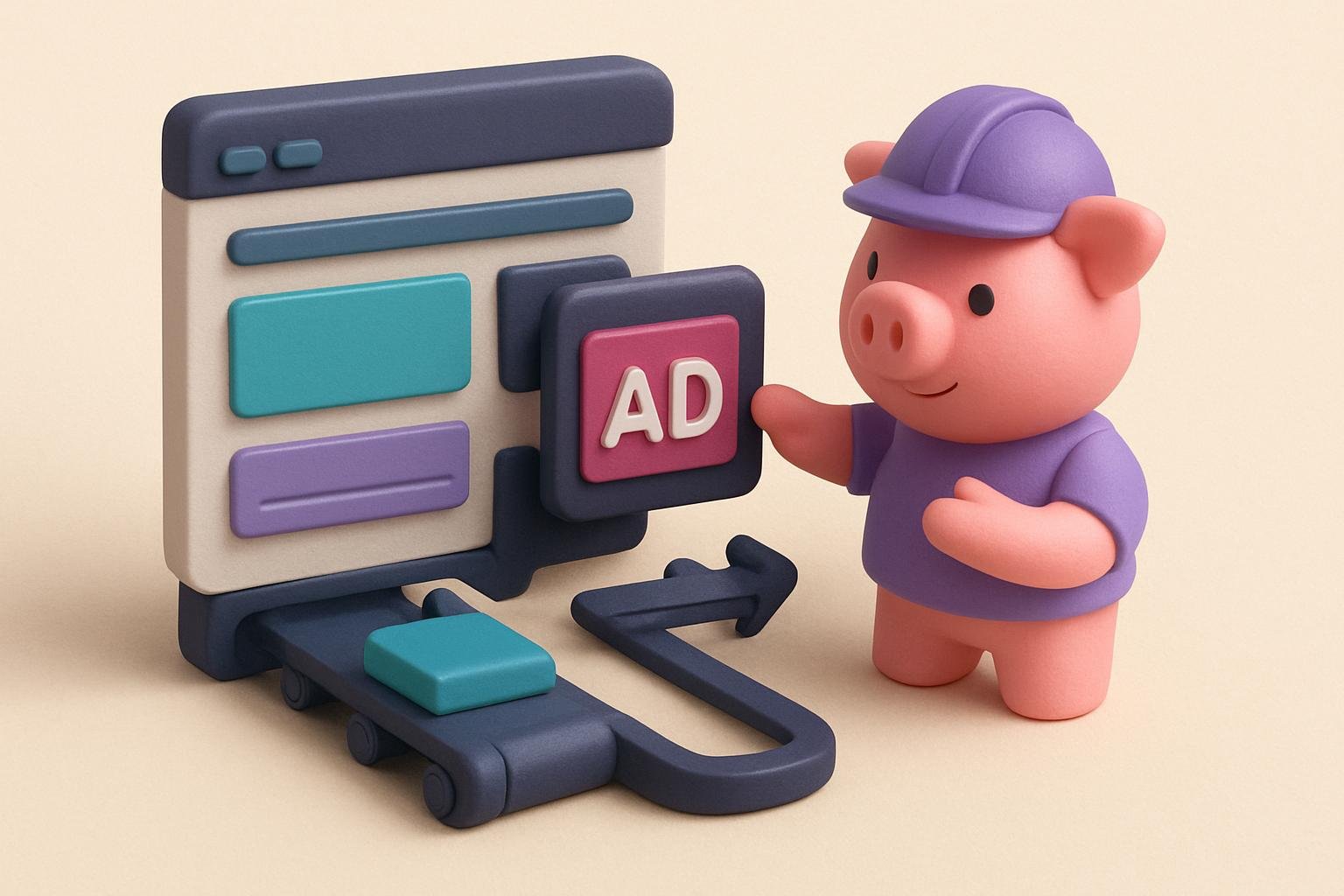
- Studies have shown that ad placement is crucial to earning money from content. The number of clicks can vary depending on an ad’s physical position on the web page, the size of the ad unit, and which page of the website it appears on.
- You need to experiment with ad placement regularly until you achieve the highest CTR possible.
- Most studies show that ads placed at the top of a page perform better than those further down (for example, at the end of an article).
- Context is one of the main challenges with ad placement. Place your ads so they’re contextually relevant and bring in high earnings.
- Don’t overload your pages with ads.
Styling ad units
- There’s no secret formula to tell you which color or color palette works best for AdSense ads. Tests on different sites produce different results, so experimenting is the best approach here.
- Use a color palette that matches your website’s main color scheme — many users will be more inclined to click on ads like these because, subconsciously, they’ll perceive them as part of the site rather than as advertising.
- In some cases, colors that sharply contrast with your site’s color scheme work better. This makes the ads more visually noticeable and increases the likelihood that people will click on them.