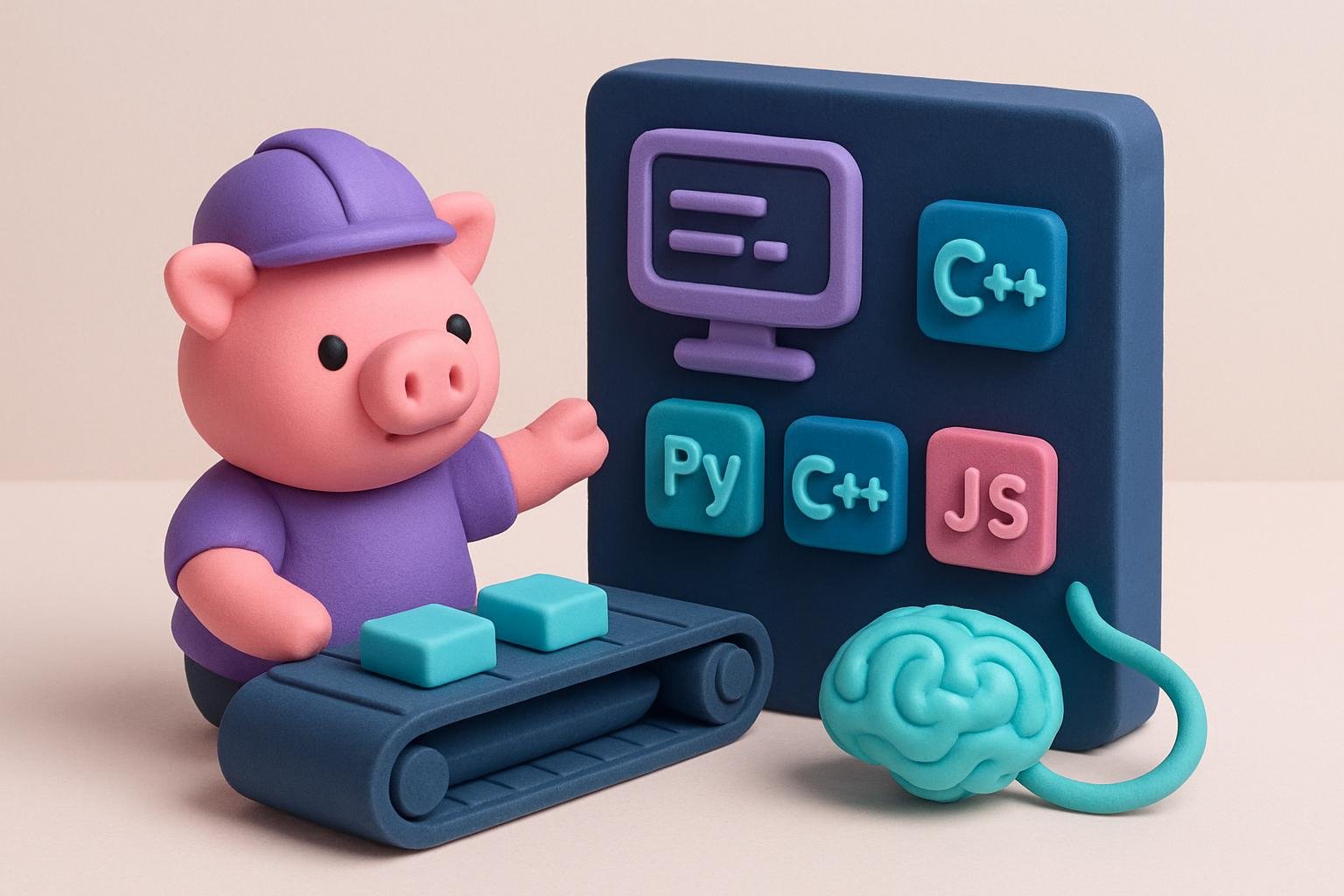

What is machine learning for?
The main goal of machine learning is to give machines the ability to learn entirely on their own, without needing to refine their algorithms. The idea is that, like the human mind, they can improve their own processes so they can carry out their assigned tasks with even greater accuracy. For machine learning to reach its ideal state, a machine must be given certain information, either by providing the necessary data in files loaded with lots of information, or by allowing it to collect data through its own observations and even interact with the real world.
This type of learning through data collection and interpretation has allowed machines to move from relatively simple tasks to more complex ones. At first, they were used to filter email or carry out other everyday tasks, but over time they were given more computing power, and today they can analyze much more complex problems. They can now analyze millions of medical diagnostic results, which, among other things, makes it possible to detect cancer more reliably; they can predict traffic patterns, making it possible to plan routes with sufficient care; they can even carry out architectural designs in real time simply by recognizing a particular area.
What types of algorithms are used in machine learning?
In artificial intelligence, or AI, there are three main types of machine learning algorithms, used depending on how the machine will learn and receive instructions to improve its performance. The ultimate goal is for the machine to perform tasks in an increasingly optimized way, refining patterns and behavior through continuous learning.
The three main types of learning algorithms are:
1. Supervised.
2. Unsupervised.
3. Reinforcement.
To decide which type of machine learning is needed, it is important to know exactly what goal the artificial intelligence is being programmed to achieve.
Machine learning versus deep learning
Although many people consider these two fields interchangeable, the truth is that machine learning and deep learning are very different disciplines. Broadly speaking, the latter is a kind of subset of machine learning, since its technical concept and practical application are nothing more than a form of machine learning. That is why some people often confuse these two terms or use them interchangeably.
Essentially, deep learning structures algorithms so that they form an artificial neural network, which allows it to learn and make decisions autonomously. This is the main difference between the two technologies. For a machine programmed using machine learning, a person has to correct mistakes made by the machine by changing its configuration to prevent it from failing again. A deep learning model, however, can determine for itself whether its task was completed successfully, using its own neural network.